
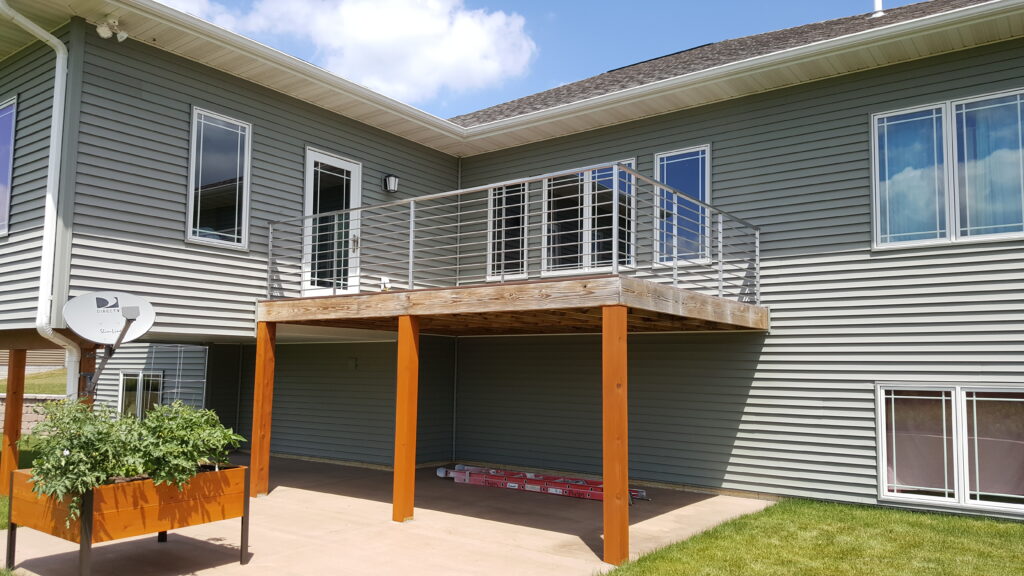
Railings are one of the most underrated elements of architectural design. Far from being mere safety barriers, they are defining features that frame views, dictate a structure’s style, and drastically impact the usability of a space. Choosing the right one is a balance between building code compliance, your budget, and the desired aesthetic.
1. The Classic: Vertical Bar Railings (Picket or Baluster)
The vertical bar railing is the traditional choice, instantly recognizable and a common standard in residential construction worldwide.
Defining Characteristics
- Structure: Consists of a top and bottom rail that encase numerous, closely spaced vertical elements known as balusters or pickets.
- Aesthetic: Traditional, structured, and timeless. It provides a distinct sense of enclosure and permanence.
- Materials: Extremely versatile, often made of wood (classic warmth), aluminum (lightweight, durable, low-maintenance), or steel/wrought iron (high strength, often used for ornate designs).
Advantages and Disadvantages
| Factor | Detail |
| Safety & Code | Excellent. The vertical orientation is key to preventing the “ladder effect,” making it a safe choice for families and areas with strict building codes. Balusters are typically spaced to prevent a sphere from passing through. |
| Durability | High, especially when using metal systems like aluminum, which is inherently rust-resistant and requires only occasional cleaning. |
| Cost | Generally the most affordable option, offering the best cost-to-safety ratio. |
| View Obstruction | High. The multitude of vertical elements can significantly break up sightlines, making it a poor choice for prime viewing locations. |
| Installation | Can be moderately labor-intensive due to the need to correctly measure and secure dozens of individual balusters between the rails. |
Best Use Cases
- Residential homes and historic properties where a traditional look is desired.
- Areas with the strictest code enforcement (e.g., stairs, porches, and balconies used by young children).
2. The Modern Minimalist: Cable Railings
Cable railings represent a significant shift toward modern, industrial, and minimalist design, prioritizing views over visual bulk.
Defining Characteristics
- Structure: Features thin, horizontally strung, tensioned stainless steel cables running parallel between heavy-duty vertical posts.
- Aesthetic: Sleek, high-end, and contemporary. The thin cables virtually disappear from a distance, maximizing the visible area.
- Materials: Almost exclusively marine-grade T316 stainless steel cable (for weather resistance), paired with robust metal posts (stainless steel, steel, or aluminum), often finished with a contrasting wood top rail.
Advantages and Disadvantages
| Factor | Detail |
| Unobstructed Views | Excellent. Offers arguably the best combination of safety and view preservation among non-glass options. |
| Durability & Maintenance | Very High. Stainless steel is highly resistant to corrosion and weather. Maintenance is minimal, though cables may need tensioning checks over time. |
| Cost | High. This is often the most expensive option aside from fully custom glass. The specialized tensioning hardware (turnbuckles, fittings) drives up the material cost. |
| Installation | Complex. Requires precision drilling of posts and the correct application of tension. Improper installation can lead to cable sag or code failure. |
| Code Risk | Moderate. The horizontal lines create the potential for a “ladder effect.” It is crucial that cables are spaced extremely closely or less, depending on local code to mitigate this risk. Always check with local authorities. |
Best Use Cases
- Decks and balconies with premium views (waterfront, mountain, cityscape).
- Modern, high-end homes and commercial properties seeking a durable, industrial-chic look.
3. The Seamless Luxury: Glass Railings
A glass railing system is the ultimate choice for maximizing light, preserving views, and adding a touch of uncompromising luxury.
Defining Characteristics
- Structure: Uses large, solid panels of tempered or laminated safety glass as the primary barrier.
- Aesthetic: Unparalleled visual clarity. It creates a seamless, invisible barrier that allows light to pass through completely, creating an elegant, open feel.
- Styles:
- Framed: Glass panels secured within a frame (less expensive).
- Frameless (Spigot): Glass panels secured to the deck surface by small, stainless steel clamps (spigots), offering the cleanest look.
- Base Shoe: Glass panels secured into a channel running the length of the floor (the most robust and expensive option).
Advantages and Disadvantages
| Factor | Detail |
| Unobstructed Views | Perfect. Offers a 100% visual opening. |
| Windbreak | Excellent. The solid panels effectively block wind, making outdoor spaces much more comfortable and usable. |
| Aesthetic Value | Highest. Provides a clean, modern, and high-end finish that dramatically increases property value. |
| Maintenance | High. Glass shows fingerprints, water spots, dust, and debris easily, requiring frequent cleaning to maintain its clear appearance. |
| Cost | Highest. The custom-cut safety glass and specialized stainless steel mounting hardware make this the most expensive upfront investment. |
| Vulnerability | Although tempered/laminated for safety, severe impacts can still damage or shatter panels, which must then be fully replaced. |
Best Use Cases
- Rooftop decks, viewing platforms, and high-end residential balconies where the view is the single most important factor.
- Pool enclosures and contemporary interior staircases.
4. The Bold Statement: Horizontal Bar Railings
Often confused with cable railing, the horizontal bar (or rod) system uses thicker, more rigid metal elements, creating a bolder, more architectural line.
Defining Characteristics
- Structure: Utilizes thicker, more substantial metal tubes or square rods that run horizontally between posts. Unlike cables, they are rigid and do not require tensioning hardware.
- Aesthetic: Industrial, robust, and modern. The thicker bars make a stronger visual statement than the thin wires of a cable system.
- Materials: Typically made from steel (often powder-coated) or aluminum.
Advantages and Disadvantages
| Factor | Detail |
| Durability | Very High. The rigid metal bars are strong, low maintenance, and highly resistant to damage. |
| Visual Impact | Strong. The pronounced horizontal lines offer a distinct, contemporary look. |
| Cost | Moderate. Generally less expensive than cable railing because the installation hardware is simpler and requires no costly tensioning mechanisms. |
| Code Risk | Highest. Because the bars are thicker and more conducive to climbing than thin cable wires, this style faces the most resistance from building code officials. Many residential codes strictly prohibit this style due to the severe “ladder effect” risk. |
| View Obstruction | Moderate. While better than vertical bars, the thicker horizontal bars are more noticeable than cables and can interfere with the view. |
Best Use Cases
- Commercial properties, government buildings, or industrial settings where codes are less restrictive regarding the “ladder effect” (or where other safety measures are in place).
- Modern, architectural feature areas where the look is prioritized over maximum view preservation.
Making the Final Decision
Choosing a railing system requires prioritizing three main elements:
- Safety & Code: This is non-negotiable. If your local code prohibits horizontal elements (like in many residential areas), you must select the Vertical Bar or Glass system.
- Budget: Vertical Bar is the most economical. Horizontal Bar is moderate. Cable and Glass systems require the highest investment.
- Aesthetic Goal:
- Traditional/Structured: Go with Vertical Bar.
- Unobstructed/Modern: Choose Cable or Glass.
- Industrial/Bold: Select Horizontal Bar (where code permits).
By carefully weighing these factors, you can select a railing that provides the necessary safety and longevity while transforming your space into the architectural vision you desire.